ART EDUCATION
Statement of Teaching Philosophy
My teaching philosophy is grounded in three guiding commitments: Love, Liberate, and Heal. I believe art education can cultivate intellectual rigor, cultural affirmation, creative agency, and connection. Students need both the freedom to imagine and the structure, resources, and relationships that help them bring an idea to life. My work across high school and pre-college settings has reinforced the importance of building studio environments where technical development and personal inquiry strengthen one another.
STUDIO FOUNDATIONS & VISUAL LITERACY
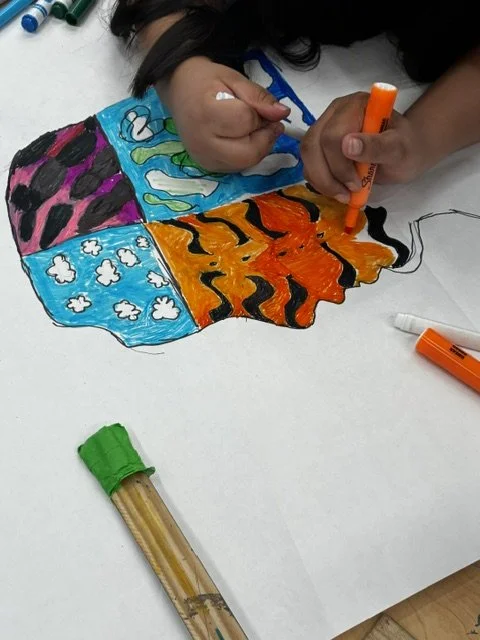
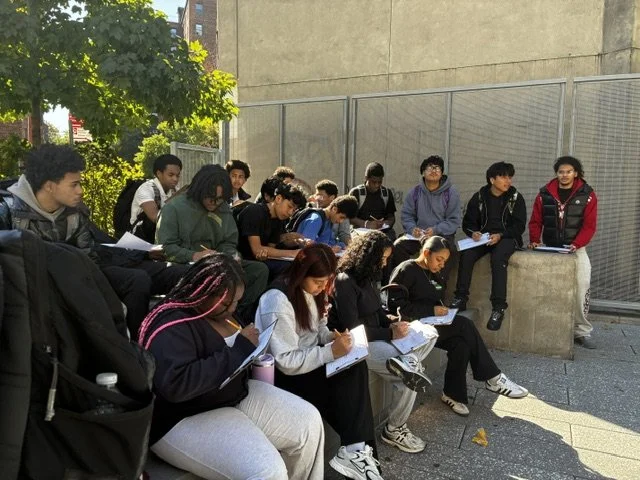
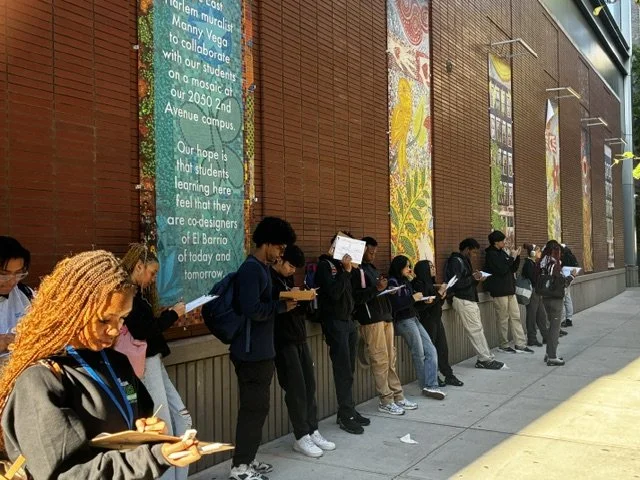
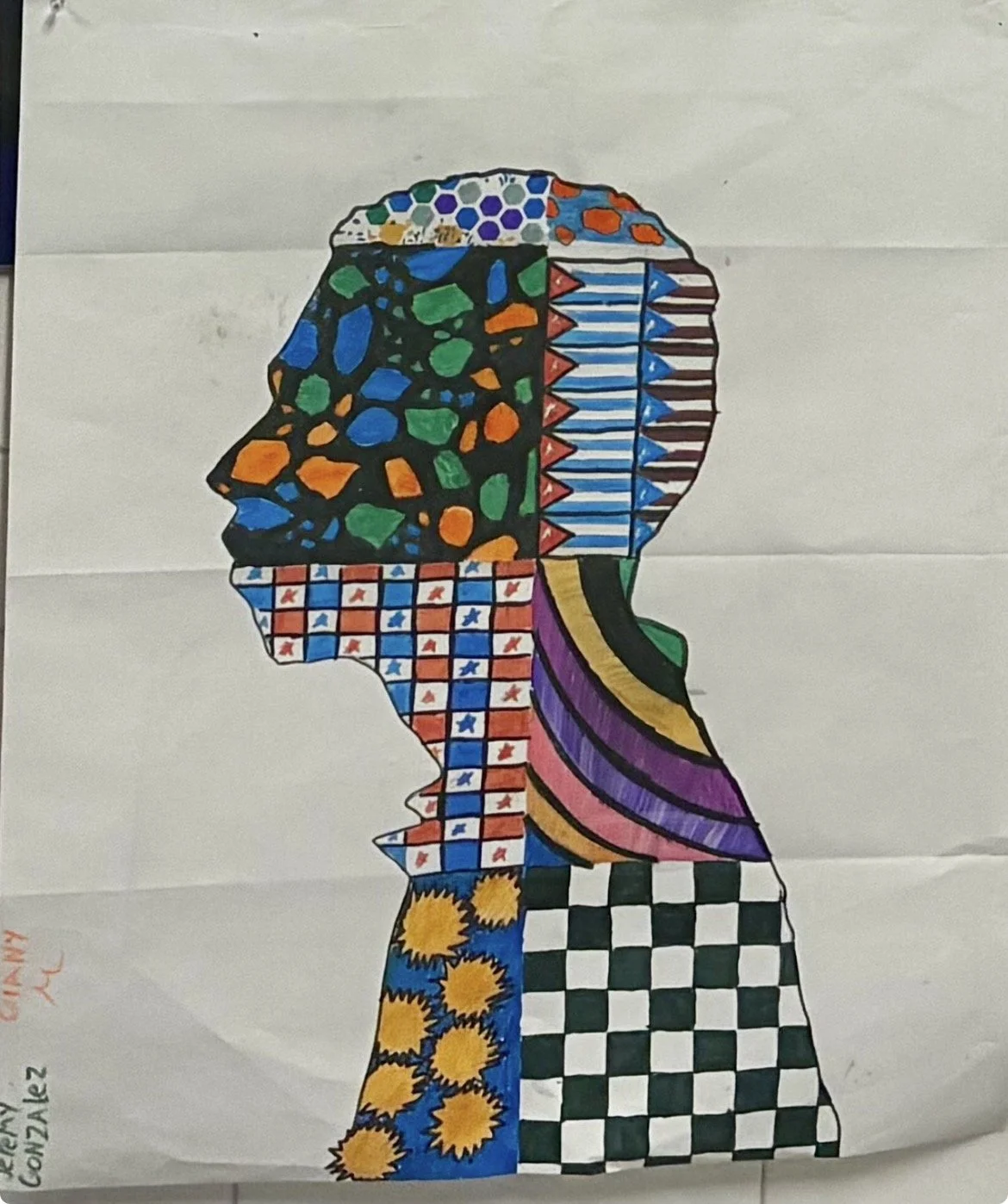
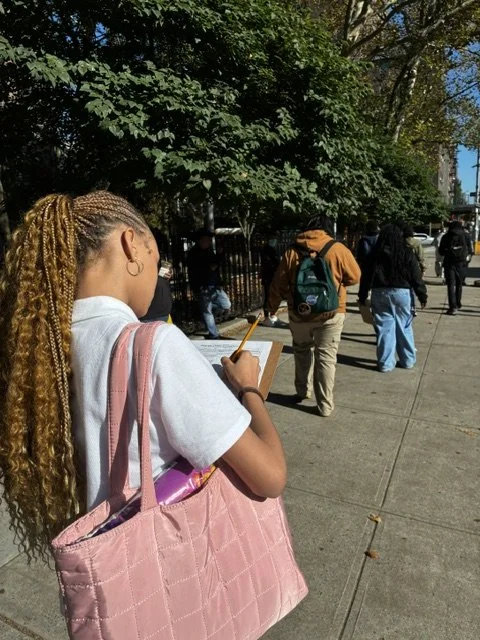
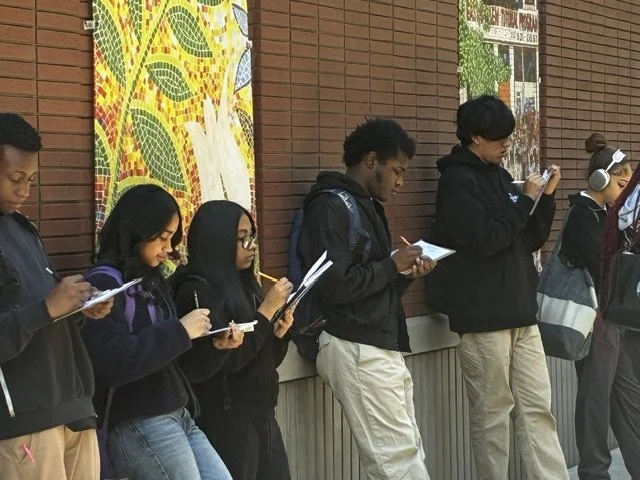
Students need sustained practice with observation, line, shape, form, value, color, texture, space, and composition. They also need opportunities to ask how images communicate, whose stories are represented, and how their own experiences and communities can become sources of inquiry. I connect foundational skills to visual culture, contemporary practice, and meaningful examples so that students move beyond simply producing images toward interpreting and creating them with intention.
SCAFFOLDING TOWARD INDEPENDENCE
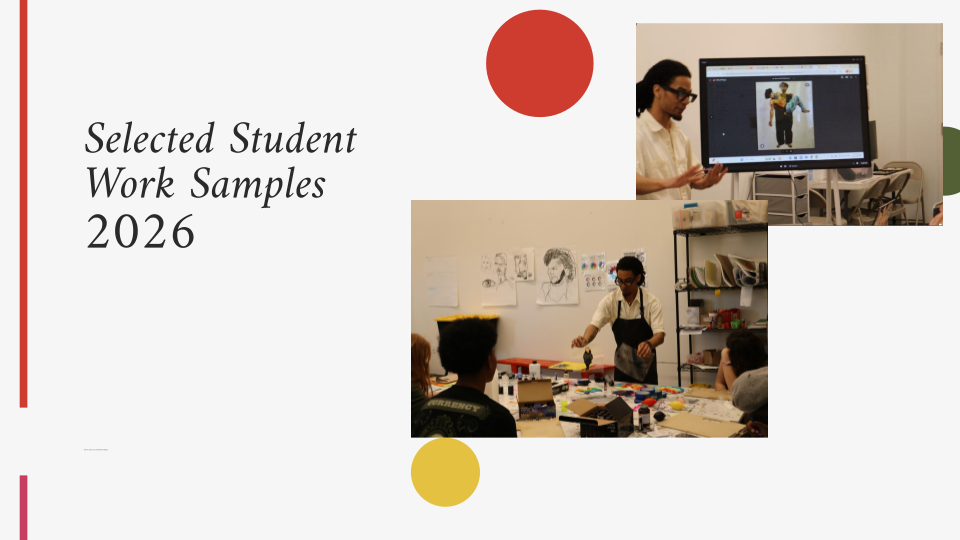
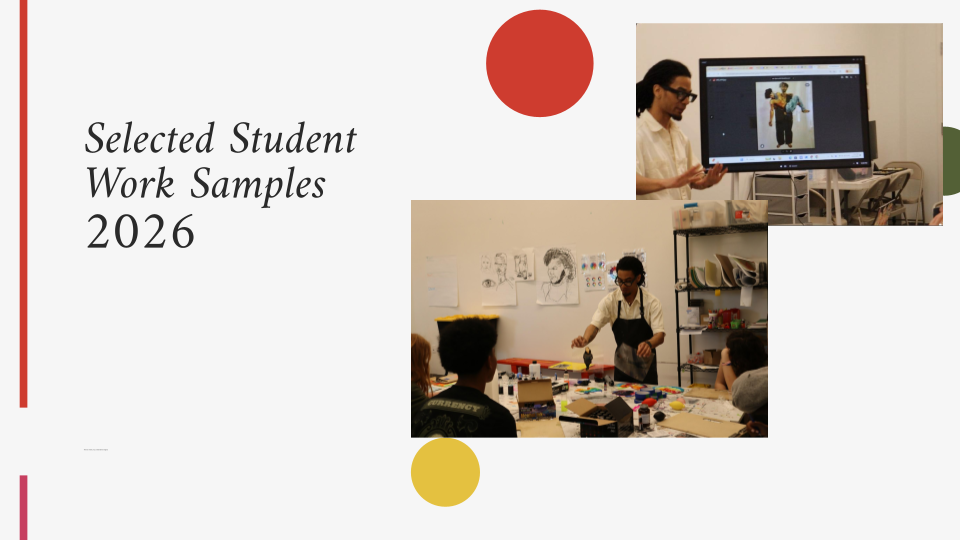
I design instruction that moves from clear objectives and teacher modeling to guided practice, independent studio work, critique, and revision. Demonstrations make processes visible; guided practice gives students a supported opportunity to try new techniques; independent work allows them to make decisions and develop a personal approach. Formative feedback and reflection help students identify what is working and what they can strengthen. Differentiated instruction is essential: learners may need different entry points, pacing, references, or modes of support while working toward meaningful artistic goals.
CRITIQUE, MENTORSHIP & PORTFOLIO DEVELOPMENT
I understand mentorship as part of teaching, not an add-on. In the Parsons Scholars Program, I supported pre-college students in drawing, design, portfolio development, critique, and preparation for college admissions in art and design. In my high school roles, I have continued to guide students through portfolio preparation and artistic problem-solving. I aim to make feedback specific, constructive, and respectful of the vulnerability involved in sharing unfinished work. Critique should help students see their work more clearly and identify purposeful next steps.
LOVE, LIBERATION & HEALING
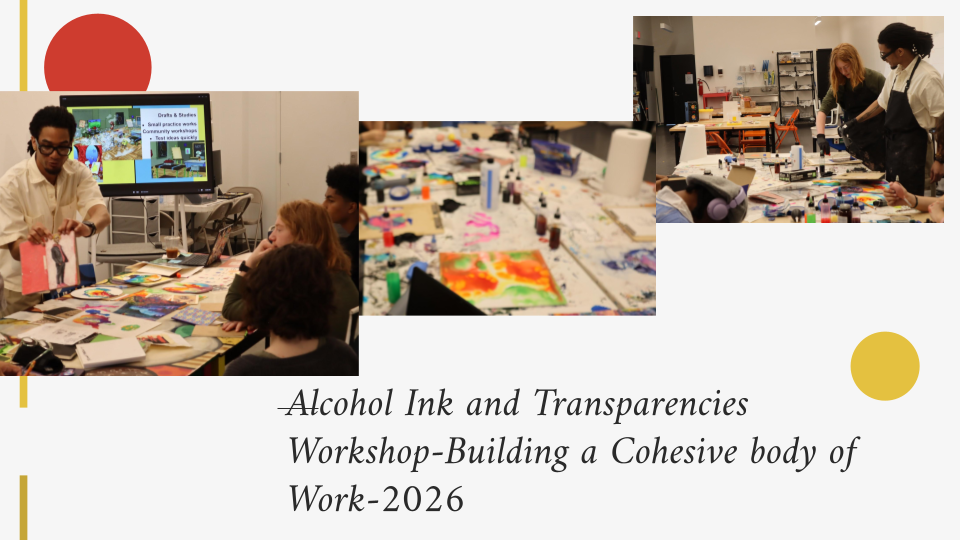
Love in my teaching means dignity, consistency, encouragement, and meaningful challenge. Liberation means giving students tools to interpret visual culture, develop their own voice, and see their identities and communities as worthy subjects of serious artistic inquiry. Healing means making room for reflection, expression, connection, and growth without suggesting that one artwork or classroom can resolve every difficulty a student may carry. These commitments shape a studio culture where students can take creative risks, learn from mistakes, and build confidence through practice. As an artist-educator, I continue to learn through my own studio practice, exhibitions, commissions, and community arts involvement. I want students to understand art-making and art teaching as evolving practices that require curiosity, preparation, reflection, and responsiveness to the people and places around them.